
Below are 13 valuable tips to aid you in your industrial keyboard procurement from China
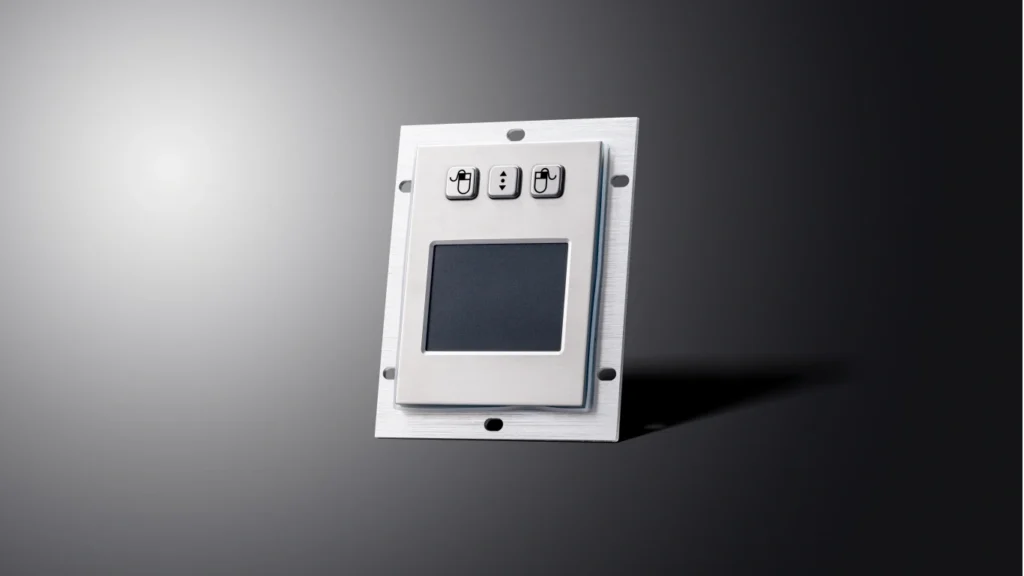
Section 1: What Is Industrial Keyboard And Its Importance? 1.1 Definition of an Industrial Keyboard 1.2 Applications and Industries 1.3 Durability and Ruggedness 1.4 Key Design and Features 1.5 Connectivity and Integration 1.6 Safety and Compliance 1.7 Future Trends 1.8 Importance Of Industrial Keyboard Section 2: How To Purchase Industrial Keyboard? 2.1. Understand Your Equipment’s Industrial Keyboard Requirements 2.2. Determine Your Budget for the Industrial Keyboard 2.3. Locate a Reliable Chinese Manufacturer of Industrial Keyboards 2.4. Verify the Availability of Sample Products from the Factory 2.5. Assess Their Quality Standards and Standard Operating Procedures (SOPs) 2.6. Conduct a Background Check on the Supplier and Their Previous Clients 2.7. Confirm Whether The Supplier Provides Installation Guidance Service 2.8. Ensure a Warranty is Provided for the Industrial Keyboard 2.9. Place an Advance Order and Make the Payment 2.10. Confirm the Order with the Factory via Phone 2.11. Perform a Final Inspection before Shipment 2.12. Thoroughly Check the Arrival and Warehouse Handling at the Port 2.13. Conduct a Final Inspection upon Receipt of Goods Conclusion Getting your hands on top-notch industrial keyboards from China is a crucial step in boosting your business’s productivity and efficiency. When it comes to purchasing these essential tools, there’s a lot to consider. You’ve got to figure out your requirements, find the best supplier, and negotiate a budget-friendly deal. But don’t worry; we’ve got your back! Here are our 13 expert tips for sourcing industrial keyboards from China that will streamline your purchasing process and ensure you get the best bang for your buck. The industrial keyboard market is booming, with a surge in demand from various industries worldwide. According to industry estimates, the demand for industrial keyboards is projected to grow significantly in the next decade, driven by the rapid expansion of technology-driven sectors. China’s industrial keyboard manufacturers and exporters have garnered widespread attention for their high-quality products and extensive export capabilities. They have become the go-to choice for businesses and industries seeking reliable and durable input devices. So, if you want to take your business to the next level, make sure you follow these practical tips when purchasing industrial keyboards from China. With our guidance, you’ll be well-equipped to find the perfect fit for your specific needs and unlock the full potential of your operations. Happy sourcing! Section 1: What Is Industrial Keyboard And Its Importance? Industrial keyboards are a special breed of keyboards designed to withstand harsh environments and heavy usage. They find applications in various industries, from manufacturing and healthcare to aerospace and transportation. At its core, an industrial keyboard is a rugged input device built to endure demanding conditions. Unlike standard keyboards, industrial keyboards are engineered with robust materials and specialized designs. They come in different variants, including stainless steel keyboard, Aluminum, membrane, mechanical, plastic keyboard and silicone keyboards etc, each tailored to specific industrial settings. 1.2 Applications and Industries Industrial keyboards play a vital role in multiple industries, providing reliable input solutions in critical environments. For instance, in the manufacturing sector, these keyboards are integrated into machinery control panels, ensuring seamless operation even amidst dust, debris, and vibrations. Likewise, in healthcare settings, medical-grade industrial keyboards contribute to maintaining hygiene standards while delivering exceptional performance. The aerospace and transportation sectors also benefit from these rugged peripherals, where they endure extreme temperatures and heavy usage during flight operations and vehicle control. •Petroleum Chemical Industry •Explosion-proof industry •Machinery Manufacturing Industry Industrial Automation Industry Mining and Metallurgy Transportation Industry Photovoltaics industry Military and Defence Industry Space Industry Self-service Kiosk UAV console 1.3 Durability and Ruggedness Industrial keyboards are purpose-built to endure tough conditions, from impacts and vibrations to dust and moisture. Meticulously crafted with top-notch materials and cutting-edge manufacturing techniques, these keyboards guarantee reliability in demanding environments. With Ingress Protection (IP) ratings ensuring protection against solid particles and liquids, they adhere to stringent safety standards. Such rugged keyboards not only boost operator confidence but also enhance productivity, seamlessly adapting to the ever-changing demands of industrial applications. Behind the scenes, manufacturers tirelessly pursue excellence in durability and ruggedness, continually innovating to improve the keyboards’ resilience and lifespan. As industries evolve, the significance of durable and rugged industrial keyboards becomes increasingly evident, enabling seamless operation and contributing to the overall efficiency of industrial processes. 1.4 Key Design and Features Industrial keyboards come with specialized key designs and features tailored to diverse applications. Numeric keypads facilitate data entry and calculations, while function keys allow quick access to specific commands. Backlighting ensures visibility in low-light environments, and integrated touchpads or trackballs eliminate the need for separate input devices. 1.5 Connectivity and Integration Industrial keyboards excel in providing diverse connectivity options, including USB, PS/2, RS232, RS485, Modbus, I2C, and more. These interfaces enable seamless integration into a wide array of industrial systems and machinery. Whether it’s connecting to a ruggedized PLC via RS485 for factory automation or employing Modbus communication for streamlined data exchange in a smart manufacturing environment, these keyboards adapt effortlessly to varying protocols. Their versatility extends to embedded systems, IoT devices, and HMI applications, making them indispensable tools in the modern industrial landscape. The seamless connectivity and integration prowess of industrial keyboards contribute significantly to enhancing overall productivity and operational efficiency. 1.6 Safety and Compliance In the industrial realm, safety standards and compliance hold paramount importance. Industrial keyboards adhere to stringent regulations, such as NEMA, CE, RoHS, and other industry-specific requirements. These certifications testify to the keyboards’ reliability and performance under various conditions. Manufacturers diligently ensure that their products meet the highest safety standards, minimizing the risk of workplace accidents and fostering a secure operational environment. The adherence to safety protocols and industry compliance makes industrial keyboards a dependable choice for businesses seeking to optimize workplace safety while maintaining high productivity levels. 1.7 Future Trends As technology continues to advance, industrial keyboards are poised to embrace exciting future trends. Emerging innovations may include the integration of touchscreens for enhanced interactivity and user experience. Advanced haptic feedback systems are anticipated to provide tactile responses, improving keypress precision. Moreover,
How to start your industrial keyboard business in 10 steps
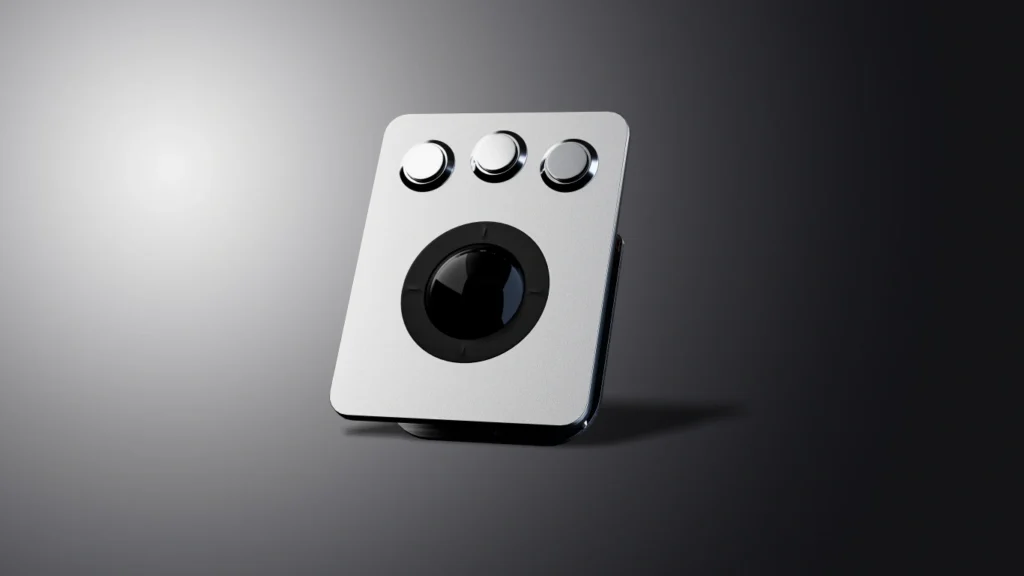
Starting an industrial keyboard business can be a profitable venture if done correctly. The market for industrial keyboards has been growing steadily over the past few years, as more and more industries require durable and reliable keyboards to operate their machinery and equipment. In this article, we will go through 10 steps to help you start your industrial keyboard business. Step 1: Conduct Market Research Before starting any business, it is essential to conduct thorough market research. You need to understand the demand for industrial keyboards, who your competitors are, what are the latest trends and technologies in the market, and what your target customers’ needs are. You can use various tools like online surveys, focus groups, and industry reports to gather this information. Step 2: Define Your Niche Once you have conducted your market research, it’s time to define your niche. You need to determine the types of industrial keyboards you will specialize in, whether it’s Stainless steel keyboards, aluminum keyboards, membrane keyboards, silicone keyboards, touchpads, trackballs, or others. Defining your niche will help you focus your marketing efforts and differentiate yourself from your competitors. Step 3: Develop a Business Plan Now that you have a clear understanding of the market and your niche, you need to develop a business plan. Your business plan should include your company’s mission, goals, target customers, marketing strategy, financial projections, and more. This plan will serve as a roadmap for your business and help you stay on track. Step 4: Choose a Business Structure You need to decide on the legal structure of your business. You can choose to operate as a sole proprietorship, partnership, limited liability company (LLC), or corporation. Each structure has its advantages and disadvantages, so it’s essential to consult with a lawyer or accountant to choose the best option for your business. Step 5: Secure Funding Starting a business requires capital, and you need to secure funding to get started. You can seek funding from various sources like investors, loans from banks or credit unions, or crowdfunding. It’s essential to have a detailed financial plan that shows how you will use the funds and when you expect to start generating revenue. Step 6: Choose a Manufacturer Choosing the right manufacturer is crucial for your business’s success. You need to find a manufacturer that can produce high-quality industrial keyboards that meet your customers’ needs. Look for manufacturers with a good reputation, experience in the industry, and a proven track record of delivering on time. Step 7: Develop Your Product Line Once you have selected a manufacturer, it’s time to develop your product line. You need to work with your manufacturer to create industrial keyboards that meet your customers’ needs and exceed their expectations. You need to ensure that your product line offers different types of industrial keyboards with different features and specifications. Step 8: Set Your Prices Setting your prices is an essential step in starting your industrial keyboard business. You need to consider the cost of production, marketing, distribution, and other expenses to determine your prices. You also need to research your competitors’ prices to ensure that your prices are competitive and offer value to your customers. Step 9: Develop Your Brand Developing your brand is crucial for creating a strong presence in the market. Your brand should represent your company’s values, mission, and unique selling proposition. You need to create a brand that resonates with your target customers and helps you stand out from your competitors. Step 10: Launch Your Business Once you have completed all the previous steps, it’s time to launch your business. You need to create a marketing plan that includes social media, email marketing, content marketing, and other strategies to reach your target customers. You also need to create a sales strategy that includes direct sales, partnerships, and other channels to generate revenue. Starting an industrial keyboard business can be a challenging but rewarding venture. By following these 10 steps, you can start your business on the right foot and increase your chances of success. Remember to conduct thorough market research, define your niche, develop a business plan, secure funding, choose the right manufacturer, develop your product line, set your prices, develop your brand, and launch your business. With dedication, hard work, and a commitment to quality, you can build a thriving industrial keyboard business that meets the needs of your customers and contributes to your success. Shenzhen Davo Electronic Co., Ltd is a company, validated adherence to ISO 9001:2015, based in Shenzhen, China that specializes in the development and manufacturing of industrial keyboard products. The company was founded in 2010 and has since grown to become a leading manufacturer in the industry. Davo Electronic is committed to providing high-quality products to its customers and has a strong focus on research and development. The company has a team of experienced engineers who work to design and develop new products, and a strict quality control system to ensure that all products meet the highest standards. In addition to its manufacturing capabilities, Overall, Shenzhen Davo Electronic Co., Ltd. is a reputable and reliable company that is dedicated to providing high-quality electronic products and services to its customers.
Below are 13 valuable tips to aid you in your industrial keyboard procurement from China
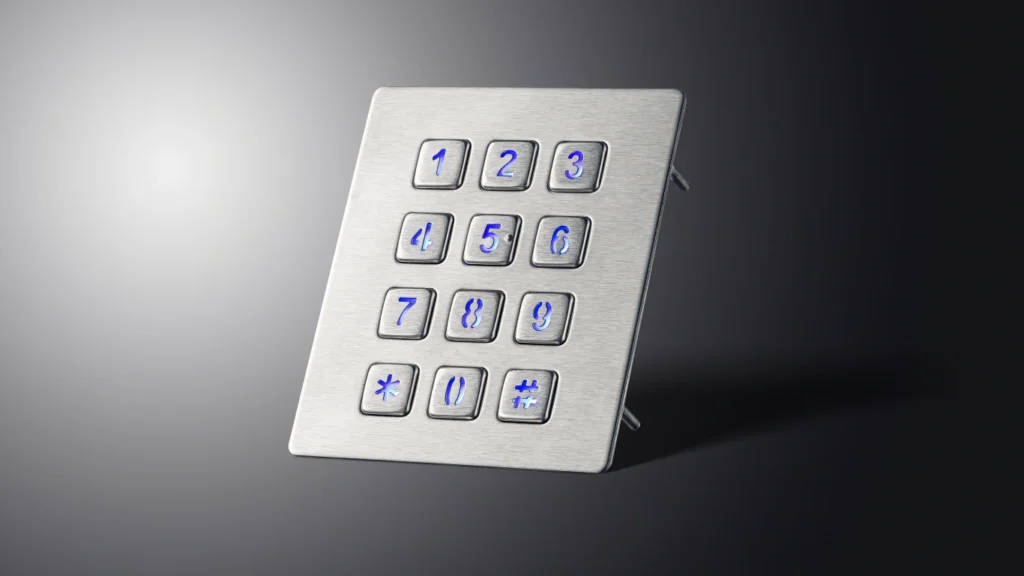
Section 1: What Is Industrial Keyboard And Its Importance? 1.1 Definition of an Industrial Keyboard 1.2 Applications and Industries 1.3 Durability and Ruggedness 1.4 Key Design and Features 1.5 Connectivity and Integration 1.6 Safety and Compliance 1.7 Future Trends 1.8 Importance Of Industrial Keyboard Section 2: How To Purchase Industrial Keyboard? 2.1. Understand Your Equipment’s Industrial Keyboard Requirements 2.2. Determine Your Budget for the Industrial Keyboard 2.3. Locate a Reliable Chinese Manufacturer of Industrial Keyboards 2.4. Verify the Availability of Sample Products from the Factory 2.5. Assess Their Quality Standards and Standard Operating Procedures (SOPs) 2.6. Conduct a Background Check on the Supplier and Their Previous Clients 2.7. Confirm Whether The Supplier Provides Installation Guidance Service 2.8. Ensure a Warranty is Provided for the Industrial Keyboard 2.9. Place an Advance Order and Make the Payment 2.10. Confirm the Order with the Factory via Phone 2.11. Perform a Final Inspection before Shipment 2.12. Thoroughly Check the Arrival and Warehouse Handling at the Port 2.13. Conduct a Final Inspection upon Receipt of Goods Conclusion Getting your hands on top-notch industrial keyboards from China is a crucial step in boosting your business’s productivity and efficiency. When it comes to purchasing these essential tools, there’s a lot to consider. You’ve got to figure out your requirements, find the best supplier, and negotiate a budget-friendly deal. But don’t worry; we’ve got your back! Here are our 13 expert tips for sourcing industrial keyboards from China that will streamline your purchasing process and ensure you get the best bang for your buck. The industrial keyboard market is booming, with a surge in demand from various industries worldwide. According to industry estimates, the demand for industrial keyboards is projected to grow significantly in the next decade, driven by the rapid expansion of technology-driven sectors. China’s industrial keyboard manufacturers and exporters have garnered widespread attention for their high-quality products and extensive export capabilities. They have become the go-to choice for businesses and industries seeking reliable and durable input devices. So, if you want to take your business to the next level, make sure you follow these practical tips when purchasing industrial keyboards from China. With our guidance, you’ll be well-equipped to find the perfect fit for your specific needs and unlock the full potential of your operations. Happy sourcing! Section 1: What Is Industrial Keyboard And Its Importance? Industrial keyboards are a special breed of keyboards designed to withstand harsh environments and heavy usage. They find applications in various industries, from manufacturing and healthcare to aerospace and transportation. At its core, an industrial keyboard is a rugged input device built to endure demanding conditions. Unlike standard keyboards, industrial keyboards are engineered with robust materials and specialized designs. They come in different variants, including stainless steel keyboard, Aluminum, membrane, mechanical, plastic keyboard and silicone keyboards etc, each tailored to specific industrial settings. 1.2 Applications and Industries Industrial keyboards play a vital role in multiple industries, providing reliable input solutions in critical environments. For instance, in the manufacturing sector, these keyboards are integrated into machinery control panels, ensuring seamless operation even amidst dust, debris, and vibrations. Likewise, in healthcare settings, medical-grade industrial keyboards contribute to maintaining hygiene standards while delivering exceptional performance. The aerospace and transportation sectors also benefit from these rugged peripherals, where they endure extreme temperatures and heavy usage during flight operations and vehicle control. •Petroleum Chemical Industry •Explosion-proof industry •Machinery Manufacturing Industry Industrial Automation Industry Mining and Metallurgy Transportation Industry Photovoltaics industry Military and Defence Industry Space Industry Self-service Kiosk UAV console 1.3 Durability and Ruggedness Industrial keyboards are purpose-built to endure tough conditions, from impacts and vibrations to dust and moisture. Meticulously crafted with top-notch materials and cutting-edge manufacturing techniques, these keyboards guarantee reliability in demanding environments. With Ingress Protection (IP) ratings ensuring protection against solid particles and liquids, they adhere to stringent safety standards. Such rugged keyboards not only boost operator confidence but also enhance productivity, seamlessly adapting to the ever-changing demands of industrial applications. Behind the scenes, manufacturers tirelessly pursue excellence in durability and ruggedness, continually innovating to improve the keyboards’ resilience and lifespan. As industries evolve, the significance of durable and rugged industrial keyboards becomes increasingly evident, enabling seamless operation and contributing to the overall efficiency of industrial processes. 1.4 Key Design and Features Industrial keyboards come with specialized key designs and features tailored to diverse applications. Numeric keypads facilitate data entry and calculations, while function keys allow quick access to specific commands. Backlighting ensures visibility in low-light environments, and integrated touchpads or trackballs eliminate the need for separate input devices. 1.5 Connectivity and Integration Industrial keyboards excel in providing diverse connectivity options, including USB, PS/2, RS232, RS485, Modbus, I2C, and more. These interfaces enable seamless integration into a wide array of industrial systems and machinery. Whether it’s connecting to a ruggedized PLC via RS485 for factory automation or employing Modbus communication for streamlined data exchange in a smart manufacturing environment, these keyboards adapt effortlessly to varying protocols. Their versatility extends to embedded systems, IoT devices, and HMI applications, making them indispensable tools in the modern industrial landscape. The seamless connectivity and integration prowess of industrial keyboards contribute significantly to enhancing overall productivity and operational efficiency. 1.6 Safety and Compliance In the industrial realm, safety standards and compliance hold paramount importance. Industrial keyboards adhere to stringent regulations, such as NEMA, CE, RoHS, and other industry-specific requirements. These certifications testify to the keyboards’ reliability and performance under various conditions. Manufacturers diligently ensure that their products meet the highest safety standards, minimizing the risk of workplace accidents and fostering a secure operational environment. The adherence to safety protocols and industry compliance makes industrial keyboards a dependable choice for businesses seeking to optimize workplace safety while maintaining high productivity levels. 1.7 Future Trends As technology continues to advance, industrial keyboards are poised to embrace exciting future trends. Emerging innovations may include the integration of touchscreens for enhanced interactivity and user experience. Advanced haptic feedback systems are anticipated to provide tactile responses, improving keypress precision. Moreover,