Project Background
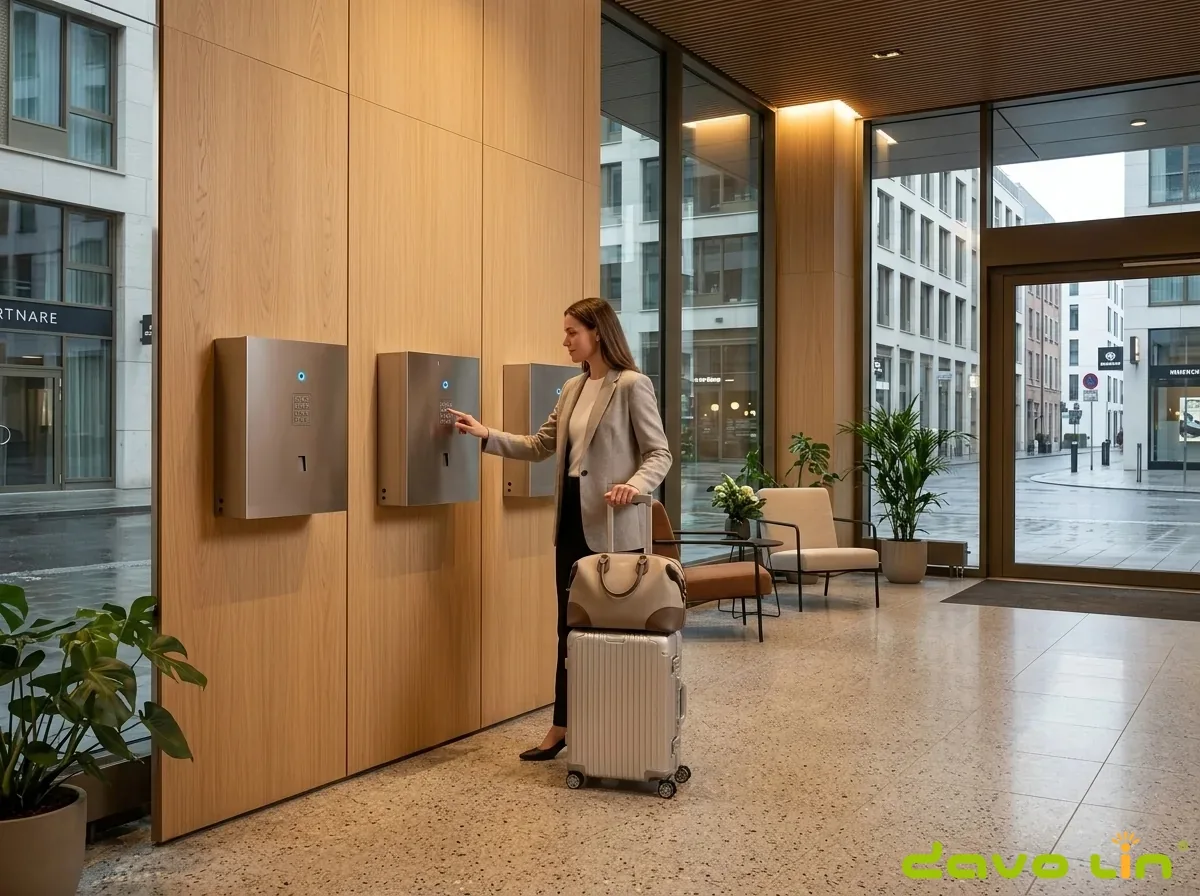
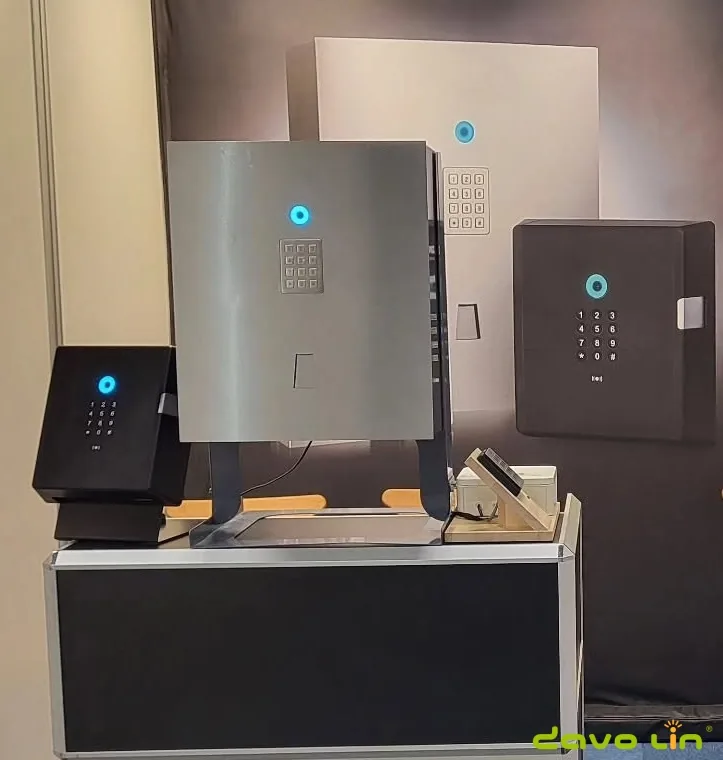
The customer’s smart key management equipment supports unattended PIN-based authorization for physical key collection and return. Users enter a code on the keypad, after which the host system verifies authorization and controls access to the keys.
The equipment is used in a Nordic outdoor application. DAVOLIN’s scope was the physical input keypad integrated with the customer’s cabinet and controller, including the replacement keypad’s mounting and electrical connection.
The Challenge
The replacement needed to match the existing matrix pinout, rear protective-box space and mounting positions. A connector that merely looked similar would not establish compatibility with the controller; the key matrix and pin arrangement had to be checked.
The customer also wanted durable legends for frequent use and specified a ten-year ink-retention requirement. This requirement guided the selection and refinement of the character process.
Mechanical and electrical interchangeability
The new keypad had to match the cabinet and reproduce the original 12-key matrix pinout without controller changes.
DAVOLIN Solution
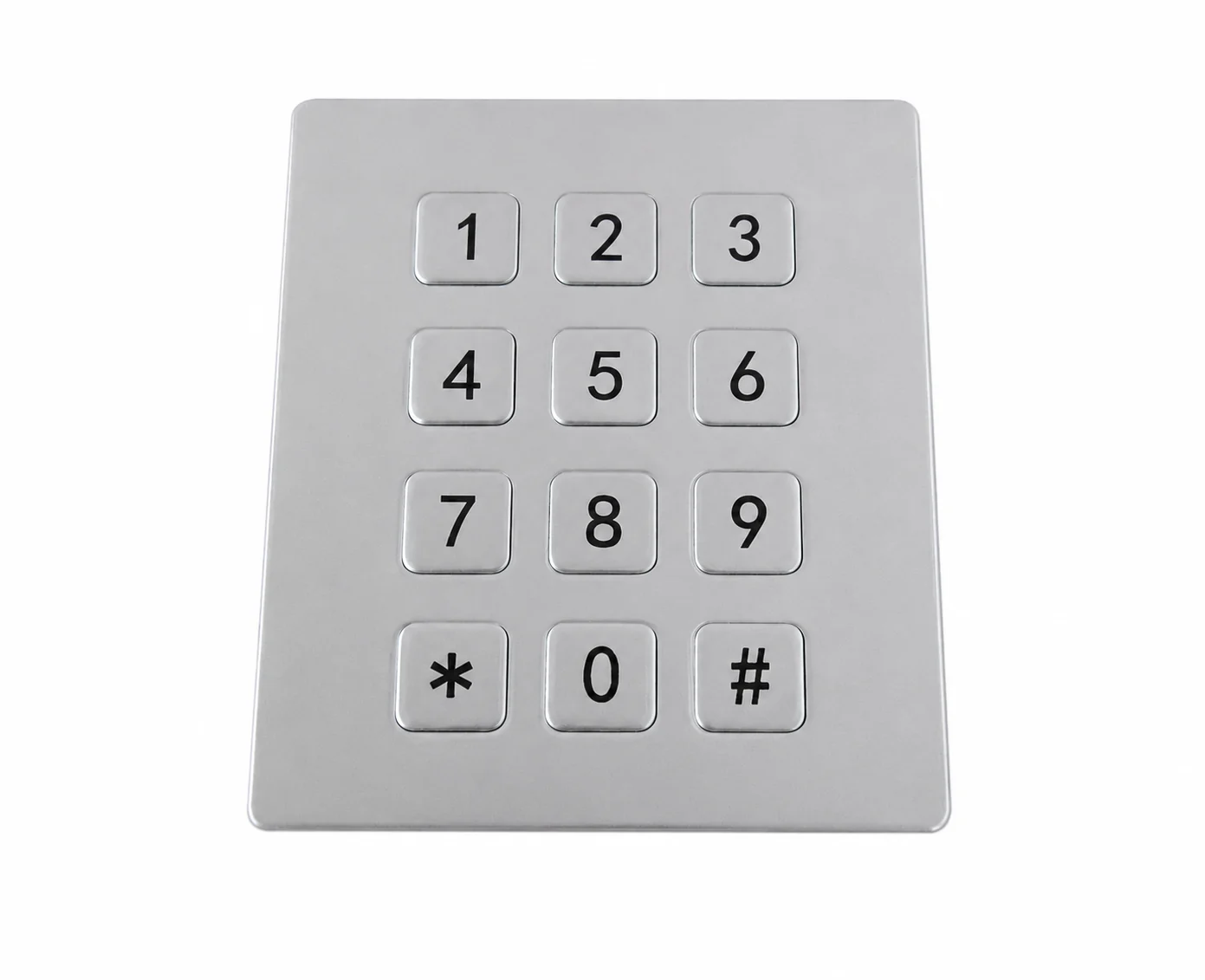
DAVOLIN configured the D-89222 with 12 keys for 0–9, * and #, stainless steel construction and metal-dome key operation. Photographs of both sides of the original PCB were used to reconstruct the required key matrix, which was matched to a 7-Pin JST XH 2.54 connector.
The legends use an etched, ink-filled process. The project included improved ink and curing at approximately 170°C for more than 80 minutes. The mechanical version was refined with M3 × 16 mm studs, silicone-pad fitting and the rear clearance required by the protective box.
The character process and rear mounting arrangement were refined for the customer’s production configuration.
Selected Product
D-89222
A custom 12-key stainless steel keypad with metal-dome keys for a smart key management system. It uses a matrix interface with a 7-Pin JST XH 2.54 connector and a project-matched rear mounting arrangement.
Project Result
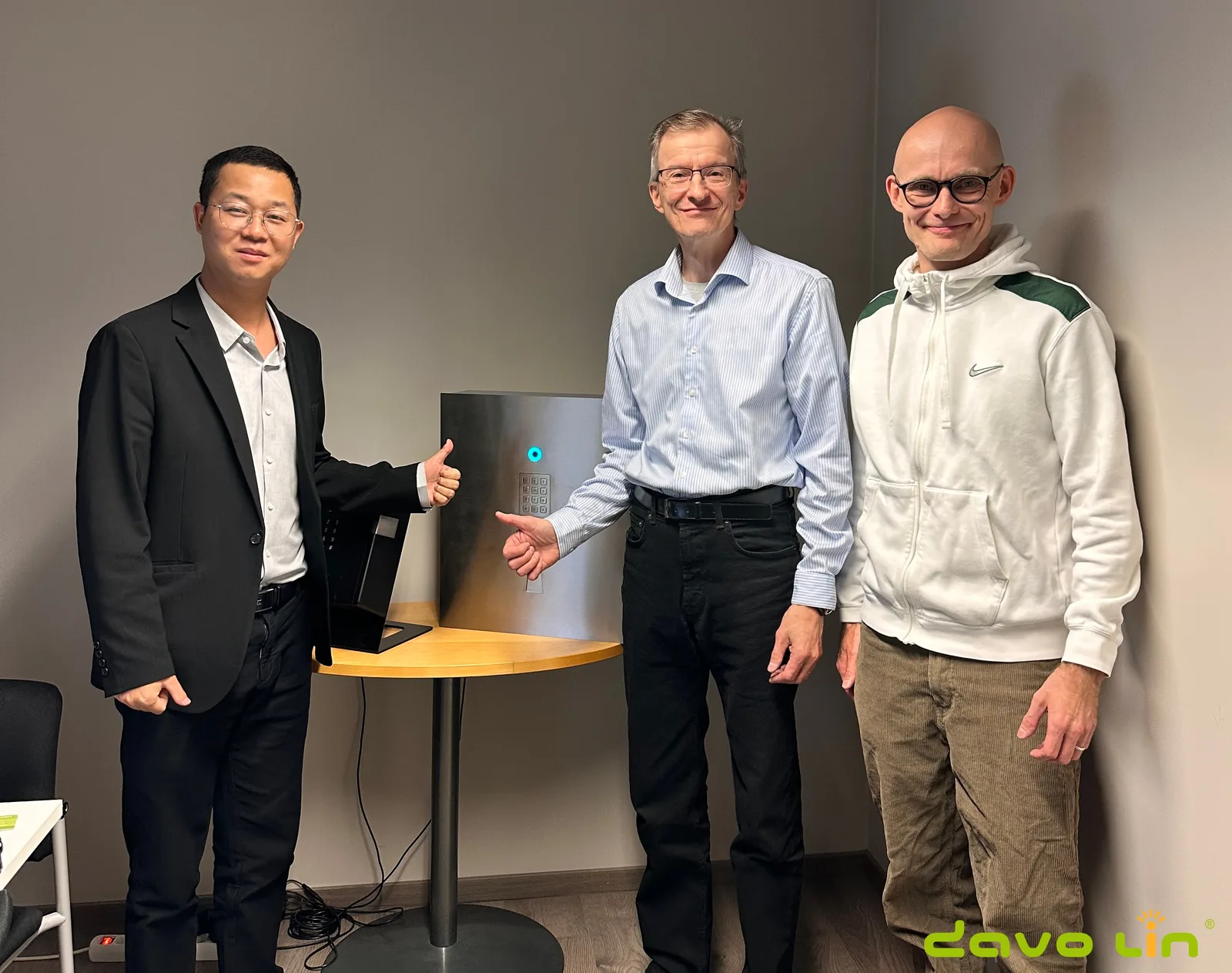
The keypad reached a stable production configuration and was integrated into the customer’s commercial key management equipment. A customer visit provided confirmation of the keypad in actual equipment.
Annual repeat orders and increasing purchases followed the initial project, supporting continuing production of the key management system.
Looking Ahead
The continuing cooperation builds on the approved electrical and mechanical configuration. Further equipment versions can be checked against their matrix wiring, mounting space and character requirements before production.