Project Background
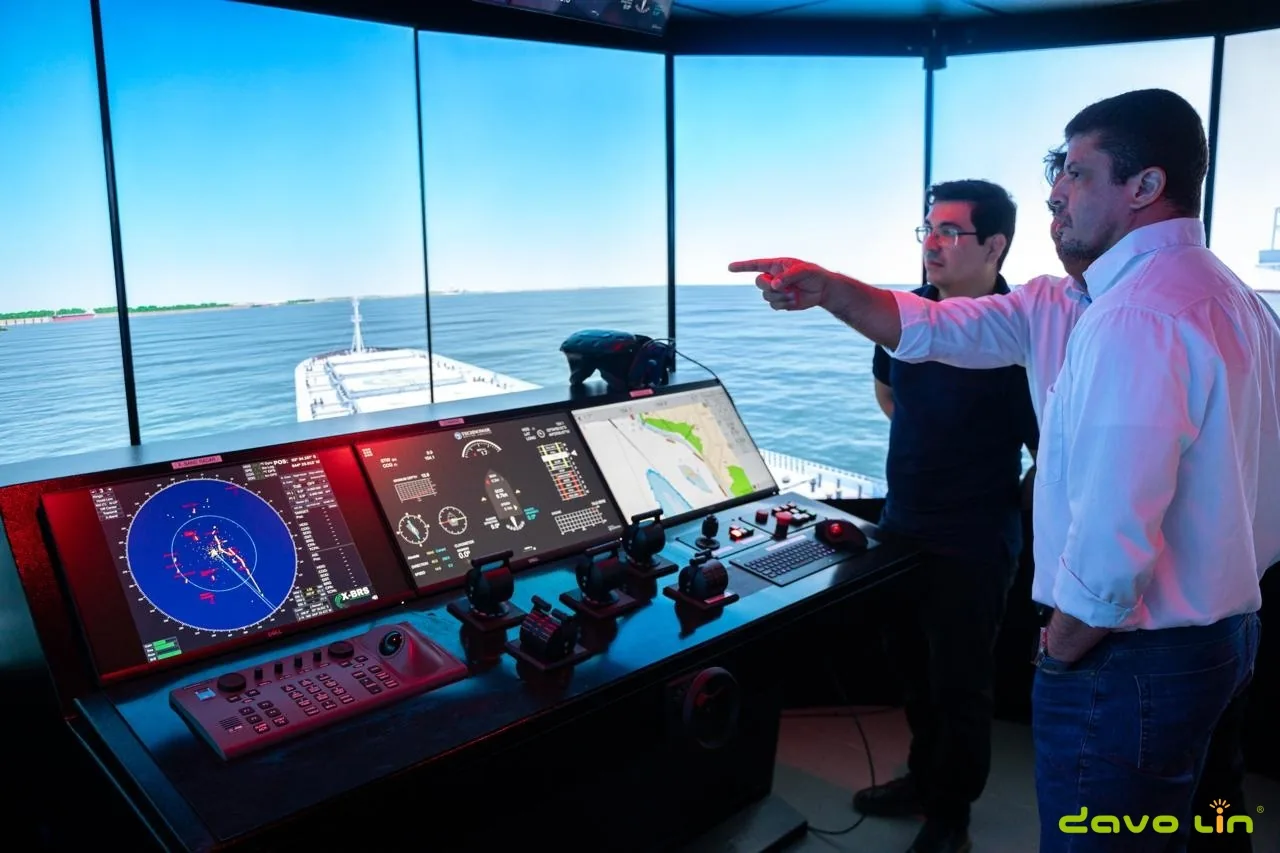
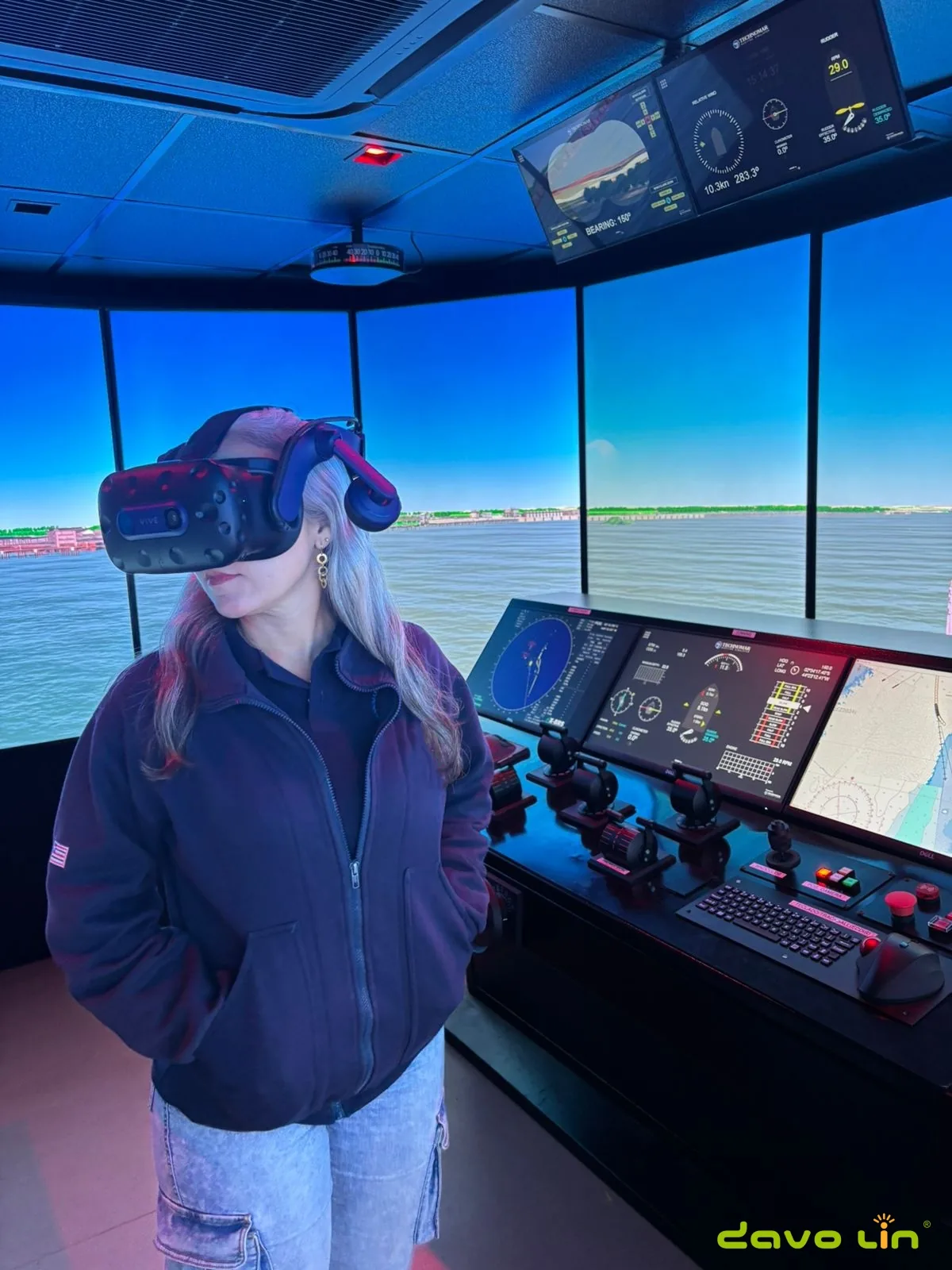
The customer develops ship bridge simulation equipment for navigation training. Trainees operate radar, ECDIS and conning software, entering text and numbers, setting routes and waypoints, navigating menus and positioning the cursor.
These tasks take place at a fixed simulator console used repeatedly by different trainees. The keyboard and pointing device are part of the training station operator interface. This project concerns an indoor simulator, rather than an exposed ship-deck installation.
The Challenge
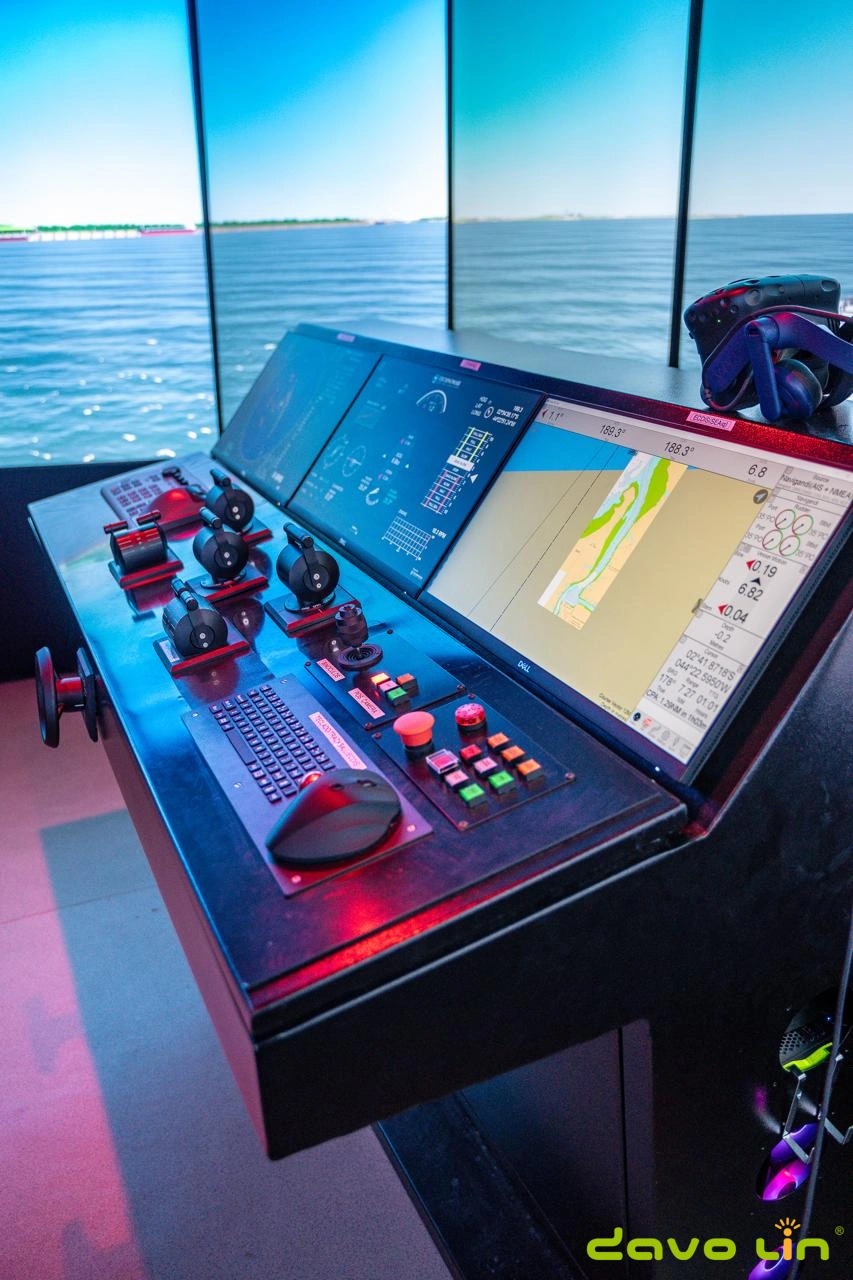
The console needed keyboard entry and ergonomic pointer control in a defined panel space. A loose keyboard and mouse would require additional working area and would not provide the same fixed arrangement for repeated training sessions.
The integration needed to position the keyboard and trackball for practical use, fit the simulator structure and connect both input devices to the host system. Mechanical integration and electrical connections had to be considered separately.
Reliable input for a realistic bridge-training console
Keyboard entry and ergonomic cursor control had to work together within the fixed simulator workstation and navigation-computer architecture.
DAVOLIN Solution
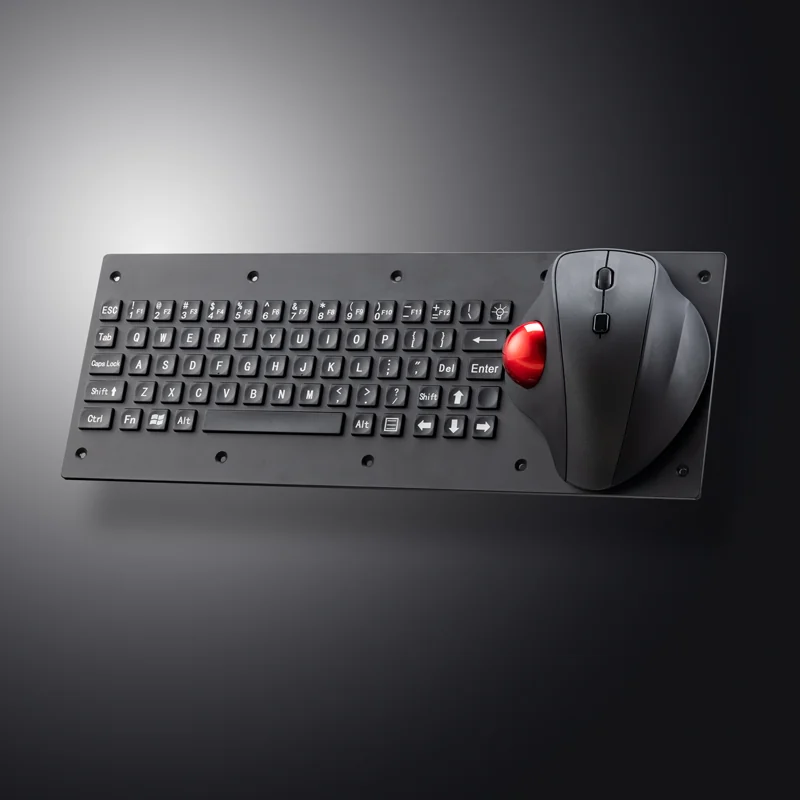
DAVOLIN supplied the D-8675-5 with the keyboard on the left and an ergonomic trackball on the right in one integrated panel. The 385 × 139 mm assembly uses an aluminum front panel and stainless steel back plate, with IP65 protection.
The keyboard and trackball are mechanically combined in the fixed console panel while using separate USB connections to the simulator computer. This arrangement provides text, numerical and cursor input for navigation software without requiring mouse movement space on the console.
The project is an indoor ship bridge simulator installation; no marine or training-system certification is asserted for the keyboard.
Selected Product
D-8675-5
A 385 × 139 mm integrated keyboard and ergonomic trackball panel for an indoor ship bridge simulator. It combines an aluminum front panel with a stainless steel back plate, USB connectivity and IP65 protection.
Project Result
The customer approved the configuration and installed it in actual ship bridge simulator consoles. Trainees gained a fixed input area for radar, ECDIS, route-setting and related navigation-software operations.
The product became part of the customer’s simulator supply, with repeat purchases and increasing orders recorded during the continuing cooperation.
Looking Ahead
Continued simulator production has supported ongoing purchasing of the input configuration. Future console designs can be matched to their panel layout and operator workflow while retaining the established keyboard and pointer-control approach.